
Exhibitions
Past Exhibitions
Museographic Essay No. 3 (Media of [ex]change)
Arnold Belkin, Bill Brandt, Haris Epaminonda, Juan Genovés, Pedro Reyes, Larry Rivers, Rufino Tamayo, John Chamberlain, Günther Gerzo, Jan Hendrix, Beom Kim, Armando Morales Sequeira, Pablo Picasso, Gio Pomodoro, Alexandr G. Yastrebenetsky, Boris Belsky, Victor Apujtin, Pavel G. Tatarnikov, Konstantin G. Chmutin, Vladimir Y. Filipenko
Past Exhibition
09 April 2016 – 27 April 2016
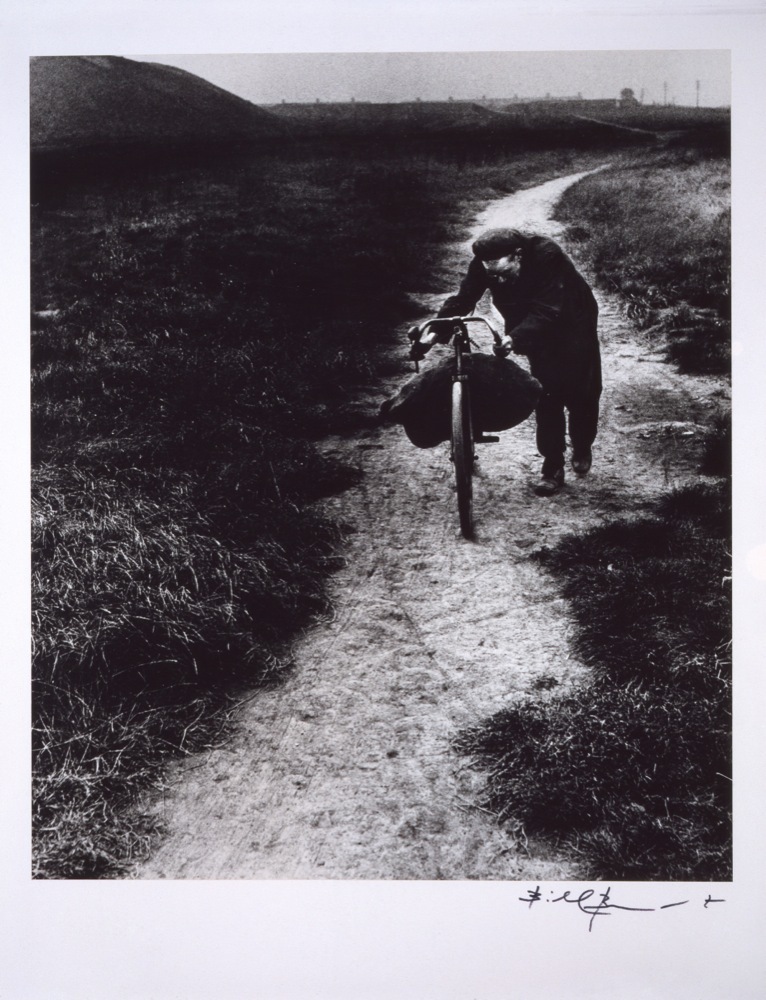
The museographic essay no. 3 (Media of [ex]change) is a speculative scenario that posits a collection of graphic works—created during the eighties and early nineties by artists associated to the Central House of Artists in Moscow—as a response to the impending fall of the Soviet Union. The strategy is to deploy the series of prints as a device for articulating connections between diverse artworks in the museum's collection. This essay is one of the possible outcomes of the tension between political gestures or positions and biographical situations. Similarly, it takes the reproducibility of printmaking as a starting point to reflect on the materiality of diverse plastic media as a political arena.
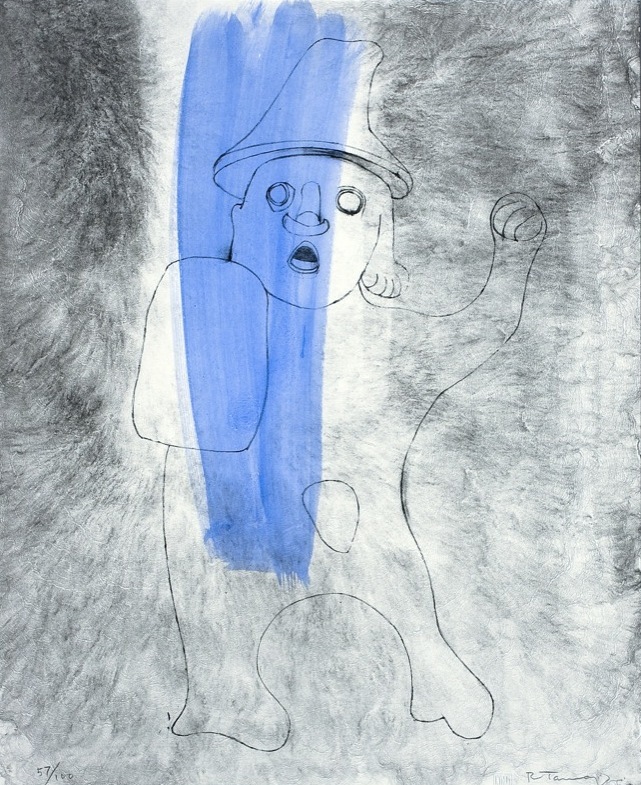
In 1990, Rufino Tamayo (1899-1991) traveled to Moscow and Leningrad to present his work in an exhibition curated by Raquel Tibol. After having sold all copies of the catalogue prepared on that occasion, he found himself with a significant amount of rubles that was impossible to exchange to another currency given the highly unstable situation of the USSR, or to spend during such a short stay in the country. The curator therefore suggested to buy a portfolio of prints in order to use the money somehow. Throughout the years and after several research attempts, very few details of the printmakers or their trajectories have been found.
Hence, these works are suspended in a monetary transaction, which emerged as a solution to a difficult situation the painter and collector found himself in. The portfolio exists in a latent tension that involves aesthetic, biographic and political affairs. Immersed in its enigmas, the portfolio of Russian prints suggests new ways to read the collection of the Museo Tamayo; to judge its artistic value is an entirely different subject.